
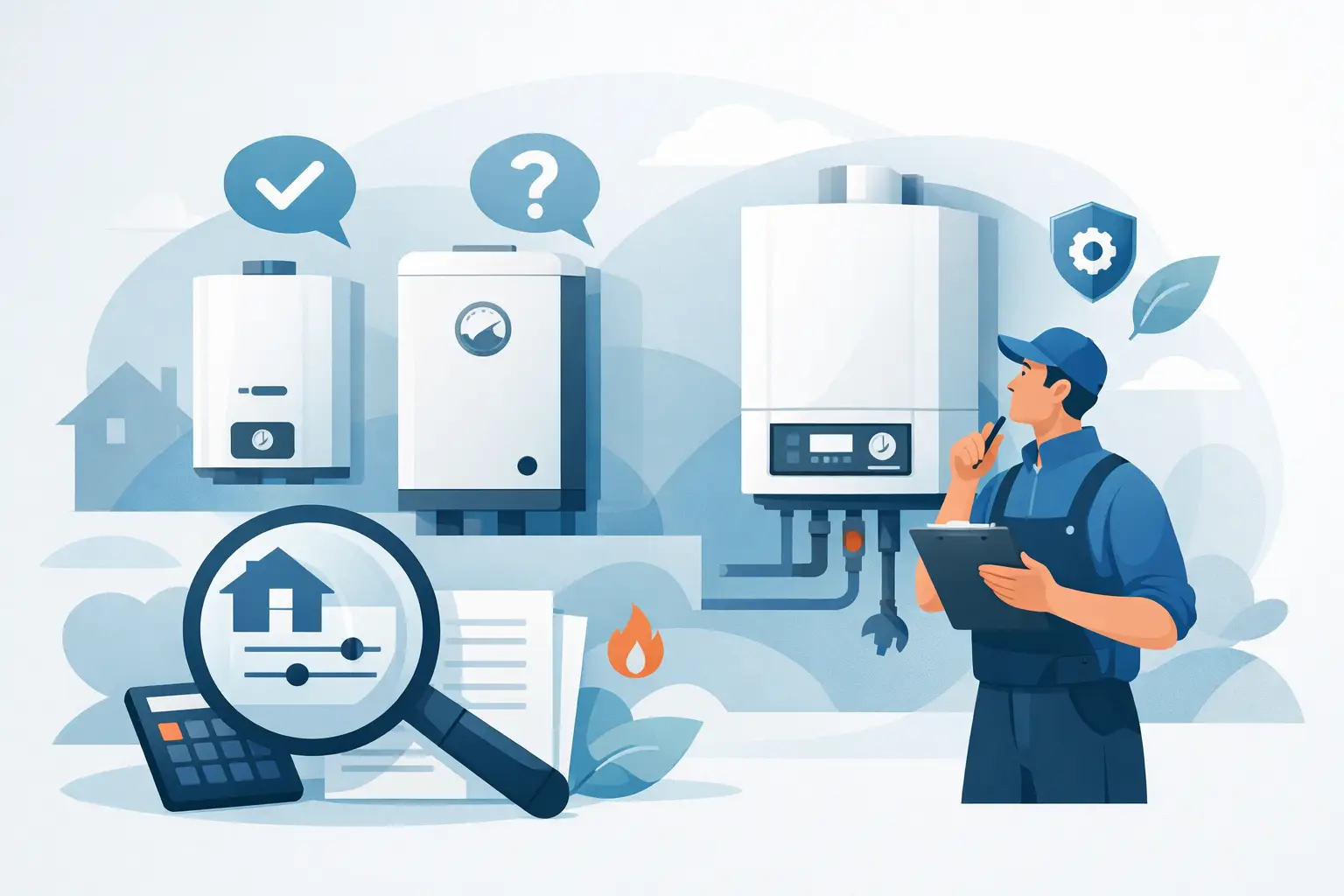
How to Choose a New Boiler Properly
A new boiler is not something most people buy on a whim. It usually happens when the old one is unreliable, your energy bills are climbing, or you are tired of patch-up repairs that never seem to last. If you are wondering how to choose a new boiler, the right answer is not simply picking the cheapest model or replacing like for like. It is about finding a system that suits your home, your hot water demand, and your budget without creating problems later.
The best boiler for a small flat is rarely the best option for a busy family house. Likewise, a landlord replacing a failed boiler in a rental property may have different priorities from a homeowner planning a long-term upgrade. A good installation starts with the right questions, not the fastest quote.
How to choose a new boiler for your home
Before looking at brands or prices, think about how your household actually uses heating and hot water. The size of the property matters, but so does daily routine. Two people in a three-bedroom house may use far less hot water than a family of five in a smaller property.
If your current boiler struggles when two showers run at once, takes too long to heat the home, or regularly loses pressure, these are signs that your setup may not match your needs. On the other hand, if your current system works well apart from age and reliability, a similar type of boiler may still be the right choice.
It also helps to be clear on what you want from the replacement. Some customers want lower running costs. Others want stronger hot water performance, more space in the kitchen, or a system that is easier to maintain. Knowing your priorities makes the decision much simpler.
Start with the three main boiler types
Most homes will be suited to one of three options: combi, system, or regular boilers. Each has advantages, but each also comes with trade-offs.
Combi boilers
A combi boiler heats water directly from the mains, so there is no need for a separate hot water cylinder or cold water tank. That makes it a popular choice for smaller homes and properties where space is tight.
The main benefit is convenience. You get hot water on demand, and the system is usually more compact and tidy. Installation can also be simpler if you are replacing an older boiler with a modern combi.
The limitation is flow rate. In homes with high hot water demand, a combi can struggle if multiple taps or showers are used at the same time. Mains water pressure also needs to be suitable.
System boilers
A system boiler works with a hot water cylinder but does not usually need a loft tank. This makes it a good middle ground for larger households that use a lot of hot water.
Because hot water is stored, system boilers cope better with several bathrooms or peak-time demand. The trade-off is that once the stored hot water is used up, you may need to wait for it to reheat. You also need space for the cylinder.
Regular boilers
Regular boilers, sometimes called conventional or heat-only boilers, are often found in older properties with traditional heating systems. They work with both a cylinder and a cold water storage tank.
These can still be the right choice in certain homes, especially where the existing pipework and setup suit that design. Replacing a regular boiler with another regular boiler can sometimes be more practical and cost-effective than converting the whole system. That said, they take up more space and are less attractive for homes looking to simplify their layout.
Get the boiler size right
When people talk about boiler size, they usually mean output in kilowatts, not the physical dimensions. This is one of the most important parts of choosing well.
A boiler that is too small may struggle to heat the property properly or keep up with hot water demand. A boiler that is too large can be inefficient, cycle on and off too often, and cost more than necessary.
The right output depends on factors such as the number of radiators, bathrooms, property size, insulation levels, and how much hot water the household uses. A modern, well-insulated home may need less output than an older property of the same size. This is why a proper survey matters. Accurate sizing is not guesswork, and it should never be based on floor area alone.
Efficiency matters, but so does the whole system
Most modern gas boilers are highly efficient compared with older models. Replacing an ageing boiler can reduce energy use, but the headline efficiency rating is only part of the story.
The system around the boiler also affects performance. Poor controls, sludge in the pipework, unbalanced radiators, or an old hot water cylinder can limit the benefit of a new appliance. In some cases, improving controls or carrying out a powerflush as part of the job helps the new boiler perform as it should.
It is also worth asking about weather compensation, smart thermostats and zoning. These features can improve comfort and help avoid wasted heat. They are not essential in every property, but they can make a noticeable difference when chosen and set up properly.
Think about installation cost, not just boiler price
One of the biggest mistakes people make is comparing boilers by product price alone. The total installation cost can vary depending on flue position, condensate pipe routing, controls, filter upgrades, pipework changes, and whether you are switching from one boiler type to another.
For example, a combi conversion may save space and modernise the system, but it can cost more upfront than a straightforward boiler swap. That does not make it a bad decision. It just means the cheapest quote is not always the best value.
Clear pricing matters here. You should know what is included, whether system cleaning is part of the job, what warranty is offered, and whether any remedial work is likely to be needed. A professional installer should explain this in plain terms so there are no surprises halfway through.
Choose a boiler brand with support behind it
There are several well-known boiler manufacturers on the UK market, and many produce reliable products. Brand matters, but not in the way people sometimes think.
A premium badge is not much use if spare parts are awkward to source or the warranty conditions are unclear. Likewise, a mid-range brand can be an excellent choice if it offers dependable performance, good aftercare and parts availability.
Rather than chasing whatever is most heavily advertised, look for a boiler that suits the property and has solid manufacturer backing. An experienced installer can often tell you which models have a strong track record and which ones tend to cause issues in real homes, not just in brochures.
Consider your future plans
If you expect to extend the property, add another bathroom, or stay in the home for many years, that may affect the best choice now. A boiler that is just about adequate today may feel underpowered later.
For landlords, ease of maintenance, tenant reliability and warranty support often carry more weight than premium features. For homeowners, comfort and long-term running costs may be the bigger concern. Neither approach is wrong. It depends on the property and what you need the system to deliver.
This is also the point where broader heating options may enter the conversation. In some homes, especially those considering major upgrades, it may be sensible to discuss whether a boiler is still the right route long term. That does not mean every home should move away from gas immediately, but it is worth understanding the bigger picture before investing.
How to choose a new boiler installer
Even the best boiler can disappoint if it is installed badly. Workmanship, commissioning and system setup make a real difference to reliability and efficiency.
Look for a Gas Safe registered engineer with experience in domestic heating installations. Ask whether they carry out a proper home assessment, explain the options clearly, and provide transparent quotations. Good installers do not rush the conversation or push one model on every customer.
Reviews can also tell you a lot. Homeowners tend to mention the things that matter most: punctuality, tidiness, communication and whether the job was completed properly. Those details are often a better guide than sales claims.
For Essex homeowners and landlords, working with a reliable local company such as Blue Flow Heating can make the process much easier. Local knowledge, clear pricing and dependable aftercare count for a lot when you are making a decision that affects your home every day.
A few common mistakes to avoid
It is easy to focus on the boiler and overlook the wider job. Rushing into a like-for-like swap without checking whether your needs have changed can be a mistake. So can overspending on output you do not need.
Another common issue is ignoring water pressure. A high-spec combi will not perform as expected if the incoming mains supply is poor. Skipping system cleaning or failing to upgrade controls can also reduce the benefit of a new installation.
Perhaps the biggest mistake is choosing based on price alone. Value comes from the right specification, professional fitting and reliable support after the job is done.
Choosing a new boiler should leave you feeling more confident about your home, not less. A well-matched system gives you steady heating, dependable hot water and fewer unexpected costs. If the advice is clear, the pricing is transparent and the recommendation fits the way you actually live, you are usually on the right track.