
Do You Need a New Cylinder or Buffer Vessel for an Air Source Heat Pump?
By Blueflow Heating Cooling & Renewables
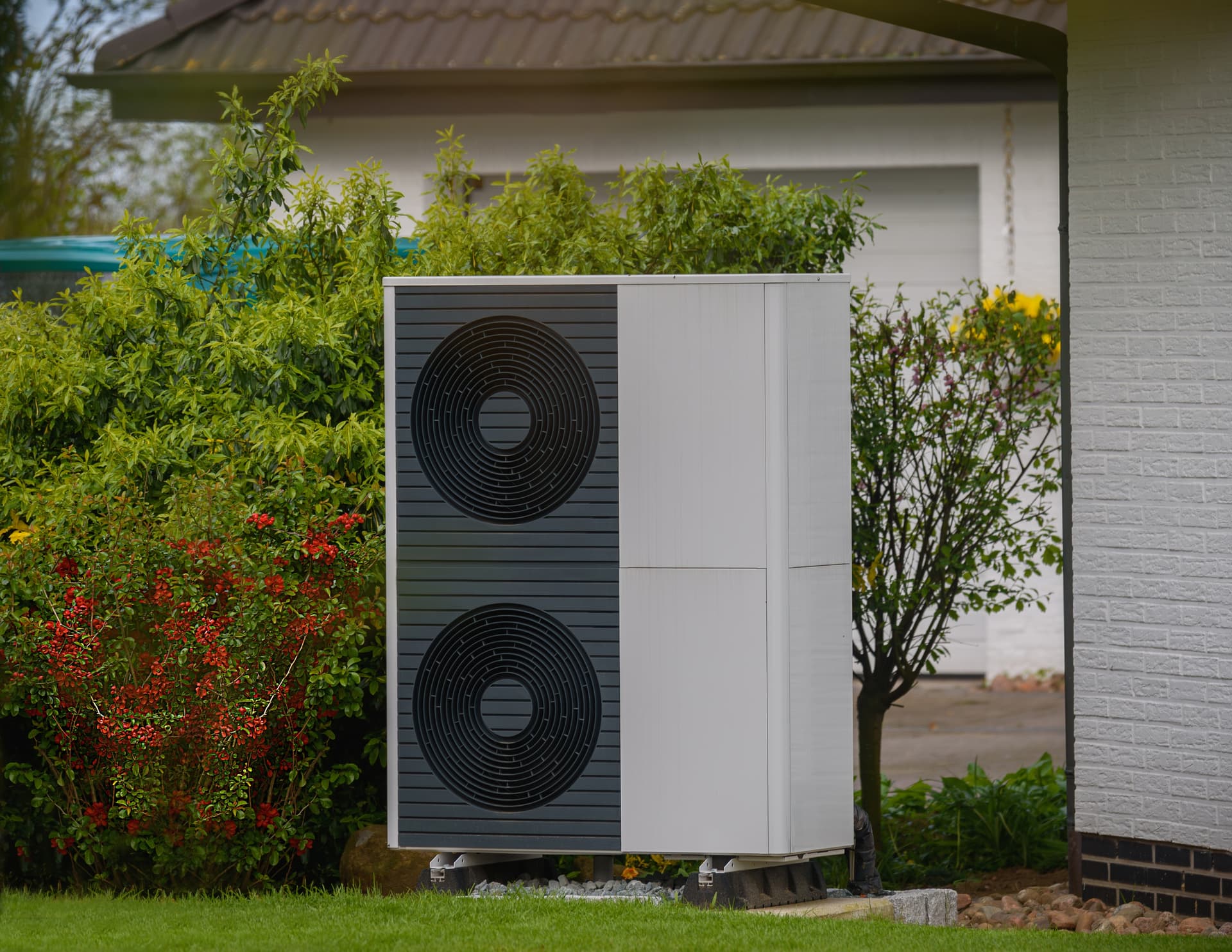
A hot water cylinder and a buffer vessel are often mentioned together when planning an air source heat pump, but they do different jobs. One stores domestic hot water for taps and showers. The other holds water in the pipes that carry water around the heating system and can help the system operate correctly in certain layouts.
Whether your Essex home needs a new cylinder, a buffer vessel, or both depends on how you use hot water and how the heating system is arranged. Understanding that distinction helps you ask better questions when comparing designs.
A cylinder is for your taps and showers
A cylinder stores the hot water used around your home. Many air source heat pump systems heat water in a cylinder rather than producing it instantly as a combi boiler does. If you currently have a combi, changing to a heat pump will often mean finding room for a cylinder as part of the system design.
The right size is not simply a matter of choosing the biggest cylinder that fits. It needs to suit the number of people in the household, how many showers or baths are used, and whether hot water is likely to be needed at the same time in different parts of the home. A larger household with overlapping demand may need a different arrangement from a home where hot water use is spread out.
The cylinder also needs to be suitable for the heat source. A cylinder designed for another type of heating system may not transfer heat in the way the heat pump requires. That is why an existing cylinder should be assessed for its heat-transfer coil and overall compatibility, not judged by capacity alone. If it is unsuitable, keeping it could affect how effectively the system reheats stored water.
Space matters too. Think about access to the proposed location, how the cylinder can be brought into the property, and whether there is room for associated pipework. In a compact home, the available cupboard or utility space can influence the practical options. It is worth raising these constraints early rather than assuming a cylinder can simply go where the old boiler was.
A buffer vessel is not a second hot water tank
A buffer vessel contains water from the heating circuit, not the water you use at the kitchen tap. Its role depends on the system layout. In some designs, it can provide additional water volume or help separate the heat pump circuit from heating circuits that operate differently. In others, the system may be designed without one.
The decision depends on the heat pump’s requirements and the way heat is distributed around the property. For example, a system with several heating zones or controls that can shut off parts of the circuit may need careful consideration of water volume and flow. If too little water is available to circulate when the heat pump is running, the system may not operate as intended. A buffer vessel can be one way to address that, but it is not automatically the right answer for every home.
Adding a vessel also takes up space and adds components and pipework. It should have a clear purpose in the design, rather than being included simply because another installation had one. A well-considered design looks at the complete heating circuit and the equipment’s requirements before deciding.
How your property changes the answer
The existing heating system is a useful starting point. A home with a conventional boiler and radiators has different equipment and pipework to assess from a home with a combi boiler, underfloor heating, or several separately controlled zones. The radiators or underfloor heating in the home, their controls and how the system is divided all affect the design.
Household routines matter just as much. If several people regularly need hot water close together, the cylinder choice needs to account for that pattern. If use is more modest, a different capacity may be appropriate. The aim is to match stored hot water to actual demand, while also considering where the equipment can fit.
This is why two homes in Essex, even if they have a similar number of bedrooms, may not need the same arrangement. A compact Basildon property with limited cupboard space presents different constraints from a larger home with room for heating equipment. The existing heating layout and the household’s hot water habits can make the answer different again.
What to ask before settling on a design
When discussing an installation, ask what the proposed cylinder is sized to support and whether your current cylinder can be retained. If a buffer vessel is specified, ask what requirement it addresses in your heating circuit. The answer should relate to your property and system, not just to a general rule that every heat pump needs the same equipment.
You can also note your usual hot water routine, identify where a cylinder might fit, and explain any separate heating zones or areas that are controlled independently. These details help shape a design that reflects the way you live in the property. Equipment selection and system connections should be assessed by a qualified installer, rather than altered as a DIY project.
At Blueflow Heating Cooling & Renewables, we consider the property and heating arrangement when planning an installation across Essex. For an overview of the service, see our Air Source Heat Pump Installation page. If you are weighing up cylinder or buffer options, we can discuss what your home’s layout and hot water use mean for the design.


