
Will an Air Conditioning Unit Be Noisy Outside Your House?
By Blueflow Heating Cooling & Renewables
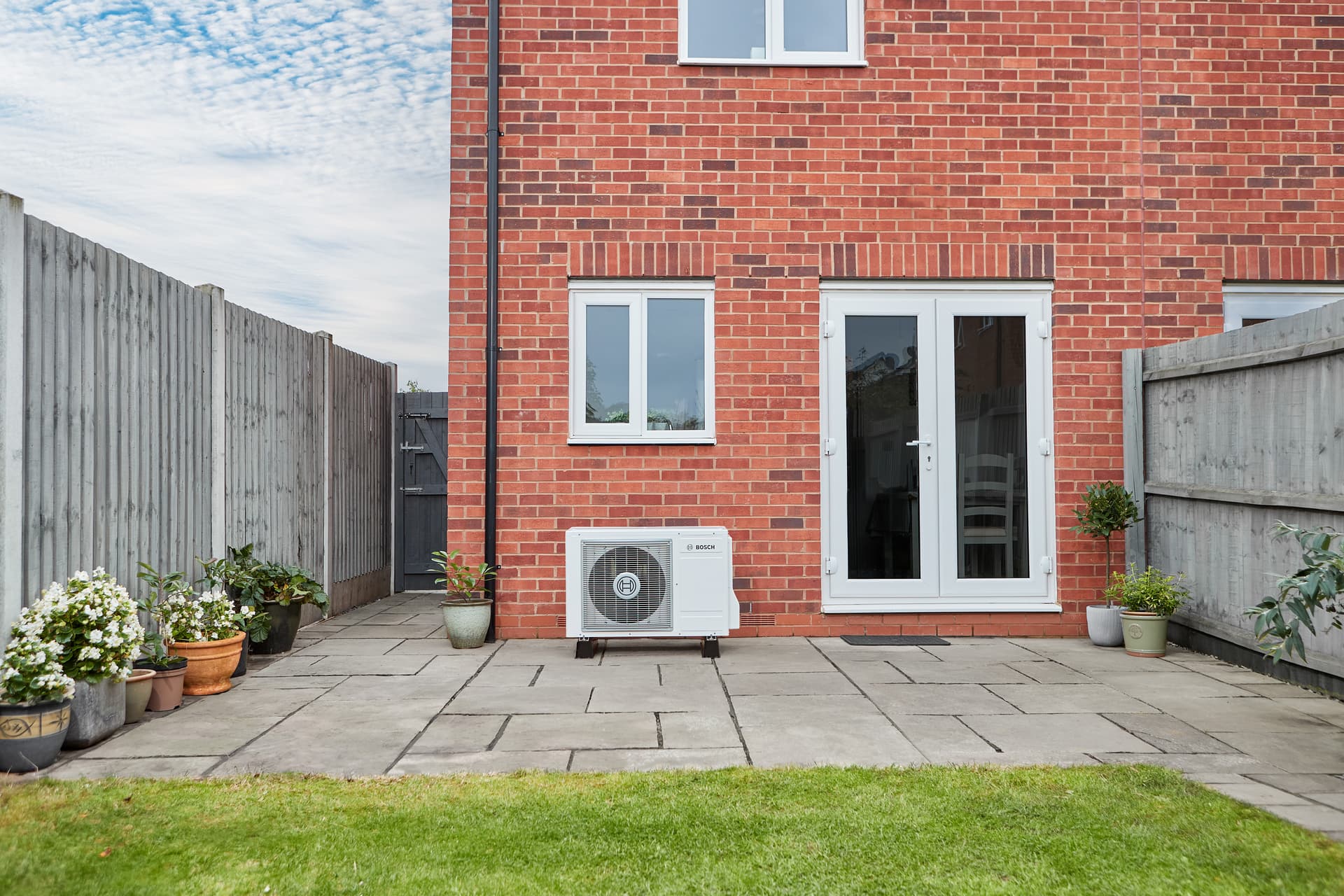
An outdoor unit can sound very different from one property to another, even when the equipment is similar. What matters is not simply how loud the unit is at its source, but how its position interacts with walls, windows, boundaries and the rooms you use.
For homeowners considering air conditioning installation in Essex, thinking through those details before choosing a location can help avoid an arrangement that is technically possible but intrusive in daily life.
Why the same unit can sound different at different homes
The outdoor unit produces sound while it operates. Its fan moves air, and the compressor (a key part of the cooling system) contributes to the operating noise. How noticeable that sound becomes depends on where the unit sits and what lies between it and the listener.
Sound can travel directly towards a nearby window, or reflect from hard surfaces such as walls and paving. A narrow side passage, enclosed courtyard or recess may behave differently from an open position. A space that seems tucked away may also direct sound towards a bedroom window or a neighbouring property.
The structure beneath the unit matters too. Vibration can pass into a poorly suited support or adjoining building fabric, creating a hum indoors that is more noticeable than the sound outside. This is why it is worth considering both airborne sound and vibration, rather than judging a location by distance alone.
How your property changes the siting decision
A detached house
A detached house may offer several possible positions, but each has trade-offs. A spot close to the rooms being cooled might shorten pipe routes, while a position farther from bedroom windows or a seating area could be more comfortable acoustically. Nearby walls and reflective surfaces can change the result, so “around the back” is not automatically the quietest option.
A terraced or semi-detached home
With less separation from neighbouring homes, the direction the unit faces becomes especially relevant. Consider not only your own windows but also adjoining walls, a neighbour’s quiet room and shared boundary areas. A position that avoids one window could direct operating sound towards another, so it helps to assess the whole setting rather than one view from inside.
A flat or a home with limited outside space
Balconies, small courtyards and narrow access routes can restrict where equipment can go. Enclosures or tight spaces may also affect the air movement the unit needs. Screening can seem like an easy answer, but anything placed around equipment needs to be considered alongside airflow, access and sound. A position should not be selected on appearance alone.
Older or altered buildings
The layout of an older home, later extensions and changes to internal rooms can create less obvious sound paths. A unit beside a wall shared with a bedroom, for example, may be more noticeable inside than a more exposed position. Where the building has unusual construction or limited external options, the proposed route and support arrangement deserve careful consideration.
Questions to settle before agreeing a location
Ask where the unit will sit in relation to bedroom windows, patios, neighbouring windows and reflective walls. Find out whether the proposed position allows the unit to move air freely and remain accessible for servicing. Ask how the support will limit vibration transfer, and whether the sound information provided for the equipment relates to the actual proposed position or only to a test condition.
It is also useful to explain how you use the rooms around the installation. A location that is acceptable beside a storage area may not suit a bedroom wall or a place where you regularly sit. If the first suggested position seems awkward, discuss the alternatives and what each one changes. Moving the unit can affect pipework routes, access and the amount of visible equipment, so the quietest practical choice is usually a balance rather than a single rule.
Look beyond the noise rating
A published sound figure can help compare equipment, but it does not tell you exactly what you will hear at your own home. The distance, direction, surrounding surfaces and installation support all shape the experience. A lower figure should not be treated as a promise that a unit will be inaudible, particularly in a quiet setting.
If you are weighing up options in Basildon, Billericay or elsewhere in Essex, bring these property details into the installation conversation early. Our Air Conditioning Installation page gives the service overview. Here at Blueflow Heating Cooling & Renewables, we can talk through the factors that shape a suitable installation for your home and the position you are considering.


