
Will an Air Source Heat Pump Repair Restore Efficiency?
By Blueflow Heating Cooling & Renewables
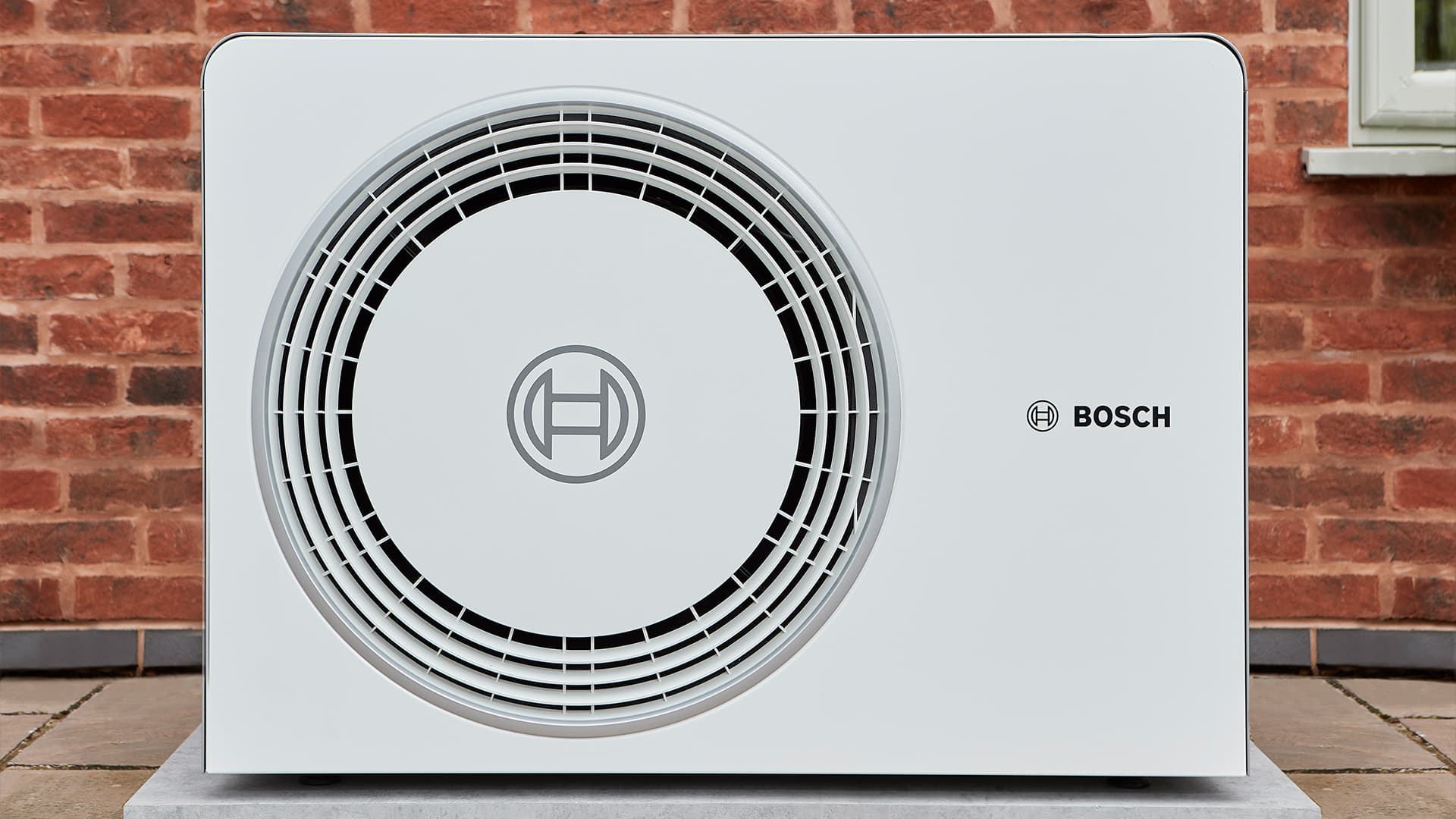
A repair can restore efficiency when a fault is stopping your air source heat pump from operating as intended. But a drop in performance does not always mean a component has failed. Settings, heat distribution around the home and the way the system is being used can all affect what you notice.
You can gather useful clues without opening the heat pump or adjusting parts of the heating circuit. These checks help you describe the problem clearly and judge whether the repair has made a difference.
Start with the controller and your own observations
Check the controller for a displayed fault code or warning. Write down the code exactly as it appears, along with when you first noticed it and whether it returns after being cleared according to the controller instructions. A fault code is a clue, not a diagnosis. Avoid repeatedly resetting the system if the warning comes back, as that can make the pattern harder to identify.
Next, check the programmed schedule and target temperatures. A changed schedule, a lower room setting or an altered hot water programme can make the home feel different without indicating a mechanical fault. Compare the current settings with the ones you intended to use. If you are unsure what a setting does, refer to the manufacturer’s instructions rather than changing installer-level controls.
Notice what is actually happening in the rooms. Is the problem limited to one area, or does the whole home feel cooler? Are radiators or underfloor heating responding differently from before? Does hot water seem affected as well? These details help separate a possible heat pump issue from a problem with heat distribution or controls elsewhere in the system.
Look for simple external changes
From outside, check whether anything obvious is restricting airflow around the unit, such as an item placed close to it or debris against the casing. Do not remove covers, reach into the unit or try to clear anything that requires dismantling. If the unit appears damaged, is making an unusual noise or has a persistent warning, leave it alone and arrange a professional assessment.
Indoors, note any visible signs of a leak around accessible pipework or the heating system. Do not tighten fittings or open valves unless you have been shown that this is an appropriate user check for your system. A visible leak, a recurring fault or a sudden change in heating or hot water needs attention from a qualified person.
How to tell whether the repair helped
After a repair, compare like with like. Record your room settings, heating schedule and hot water use, then note how the home responds over normal operation. If you have access to energy-use information, look for a sustained change rather than judging from a single day. Occupancy, preferred temperatures and hot water demand can all affect consumption, so a simple before and after comparison is only useful when those conditions are broadly similar.
Also note whether the original symptom has stopped. If the home warms as expected, hot water is behaving normally and the same fault does not return, that is useful evidence that the repair addressed the issue you reported. If performance remains poor, tell the engineer what has changed and what has not. A repair may resolve one fault while another issue, such as controls or heat distribution, still needs investigation.
Avoid using a single reading on the controller as proof of efficiency. System temperatures and operating behaviour need to be understood in context. Accurate assessment may require checks by a qualified engineer, especially where the suspected cause involves electrical components or the refrigerant circuit. Do not remove panels or attempt refrigerant work yourself.
When to arrange a professional check
Contact a qualified heat pump engineer if a fault code returns, the system repeatedly stops, heating or hot water remains unreliable, or you see a leak or damage. In Essex, we can assess and repair air source heat pump faults. Our certification for working with refrigerants is relevant if the sealed system that carries them needs attention; this is not a homeowner task.
If you want an overview of the service, read our Air Source Heat Pump Repair page. When you contact Blueflow Heating Cooling & Renewables, share the fault code, the affected rooms, any changes you have noticed and the checks you have already made. That information gives us a clearer starting point for finding out whether a fault is behind the change in performance.


